
The Sydney Harbour hike route combines the city center, iconic landmarks, and wild corners of the national park. Tourists come here for the beauty, but often underestimate the real risks that exist near the Opera House or the bridge. To ensure that your walk remains a pleasant memory, it is important to understand the rules and be prepared for the unexpected.
Dangers in and around the water
Sydney Harbour is one of the busiest places in Australia. Ferries, cargo ships, and pleasure boats are constantly passing through. It’s a picturesque backdrop for photos, but a serious threat to an accidental swimmer or someone who falls into the water. Traffic is heavy, and even an experienced swimmer risks being overwhelmed by the waves from a passing ferry.
Another factor is water quality. The water contains bacteria and organic debris that wash in after heavy rains and storm runoff. For swimmers, this means a risk of infections, stomach upsets, and skin problems. Beachwatch experts regularly publish water quality forecasts, but even good readings do not mean that swimming in the harbor is safe.
The authorities themselves admit that this part of Sydney is not suitable for swimming. That is why swimming is only officially allowed in the specially fenced Marrinawi Cove in the Barangaroo area. All other areas of the route are for walking only.
Prohibited areas and fines
Many tourists are surprised that swimming at the foot of the Opera House or under the bridge is prohibited. However, there is a specific reason for this ban. Sydney Cove is the area with the heaviest boat traffic. Any attempt to swim here will result in a fine of up to $1,100.
Over the past year, police have recorded hundreds of incidents in the harbor and on the Parramatta River. Among them were cases where swimmers had to be rescued. But the official warnings remain unchanged: swimming is only allowed where there are safety nets and lifeguards on duty. For all other areas, the rule is “look, but don’t go in the water.”
How to prepare for the route
The Sydney Harbour Hike is not formally considered a strenuous hike. The route follows paved areas, stairs, and well-marked trails. However, the proximity of water requires special attention.
First of all, it is crucial to assess the weather conditions. The wind increases the waves in the bays, and after rain, the trails can become slippery. There are stairs and climbs along the route, so comfortable shoes and a light backpack with water are a must.
If you plan to go to the beaches along the way, bring sunscreen, a hat, and a supply of drinking water. Dehydration sets in quickly in the heat, especially if you are distracted by the beautiful views and don’t notice how many kilometers you have walked. It is essential to know in advance where you can replenish your water supplies or interrupt your route by bus or ferry.
To feel confident, keep the following points in mind:
- Comfortable shoes with good foot support;
- Light backpack with water and snacks;
- Hat and sunscreen;
- Route plan that takes into account possible bus or ferry stops;
- Check the weather forecast before you leave.
What to do in an emergency
Even with good preparation, no one is immune to accidents. A person may slip at the water’s edge or feel unwell. In such a situation, the main thing is to attract attention. The distress signal is simple: raise your arms and make precise movements. There are always many ships in the harbor, and someone will notice the signal.
Police and rescue workers recommend staying calm and trying to keep your head above water. If the situation occurs on land, for example, in the event of a fall or injury, it is advisable to call the emergency services. The route passes through densely populated areas, and communication is available almost everywhere.
Prevention is the main tool
Any emergency, whether in the city or in nature, is easier to prevent than to resolve. Marine Rescue NSW advises anyone to go out on the water in a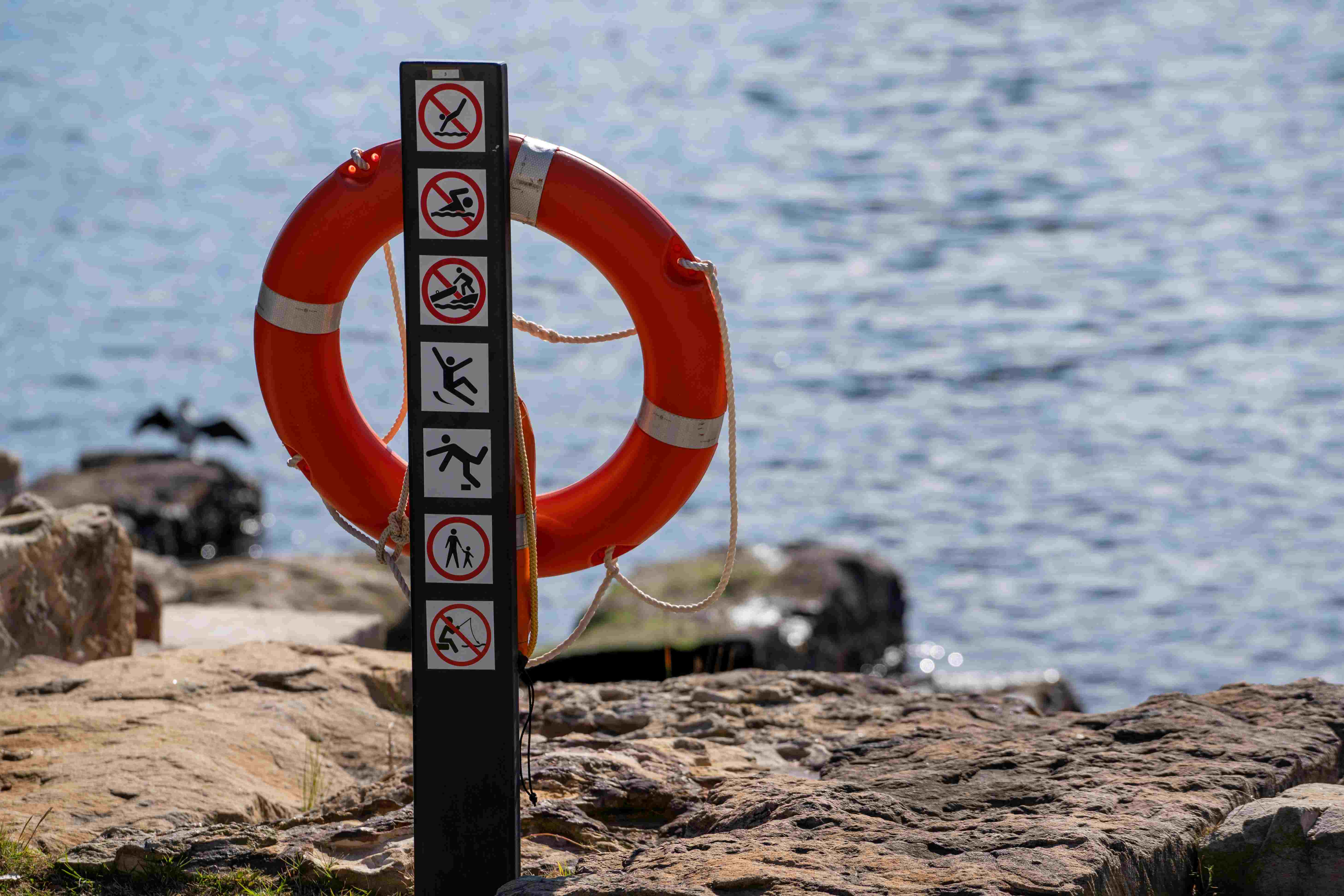 boat or kayak to leave information about their route and return time. The same rule applies to pedestrians: tell your friends where you are going and when you plan to return.
Special attention should be paid to children and people who do not feel confident around water. Even walking along a trail can be dangerous if you get too close to the edge. Therefore, constant monitoring and sober assessment of the situation are of utmost importance.
Bottom Line
The Sydney Harbour Hike is a route that shows Sydney in all its glory. It combines urbanism and nature, the past and the present. But beauty always comes with risk. By following simple safety rules, avoiding prohibited areas, and respecting the forces of nature, you can ensure that your day on the route is memorable for its stunning views.
Comments are closed