
Hiking in the mountains or along a coastal trail is always a joy. But to ensure your trip goes smoothly, it is crucial to prepare in advance. Choosing the correct route, wearing comfortable shoes, planning well-balanced meals, and paying attention to safety will help you enjoy every step.
The tips below are interrelated. Each one builds on the previous one and forms a preparation system. This creates a plan that makes hiking a real vacation.
1. Think about your equipment
Your backpack is your main companion. It should contain items that will help in any situation:
- First aid kit with bandages;
- Flashlight with spare batteries;
- Multi-purpose knife;
- Whistle for signaling;
- Fire starter or matches.
These items will give you peace of mind. Even a short walk along a familiar trail can surprise you, and it is preparation that helps you navigate the situation with confidence.
2. Food and snacks on the route
A long walk requires energy. Therefore, your backpack must contain light and nutritious foods:
- Nuts and dried fruit;
- Cereal or chocolate bars;
- High-calorie bread or cookies;
- Sandwiches or a light lunch if the hike lasts more than four hours.
Another critical part of food is water. An adult needs approximately half a liter of water for every hour of walking. It is better to drink small sips regularly.
3. Caring for animals on the trail
Encounters with wildlife are always memorable. But it is essential to observe from a distance. Animals should feel calm. It is enough to take a photo and continue on your way. If we take food for ourselves, we must remember that animals have their own food. When people leave nature alone, the hike turns into a harmonious interaction.
4. Comfortable shoes and clothing
Equipment affects health and mood. Your feet should be protected and dry, so choose sneakers or boots with sturdy soles.
Clothing is layered. Here is a list to consider:
- Lightweight T-shirts made of breathable fabric;
- Fleece jacket for warmth;
- Wind breaker or raincoat;
- Headgear and sunglasses;
- Gloves and a scarf in the cooler months.
This preparation is related to safety. If you have a first aid kit and tools, and wear comfortable shoes and clothing, you will be able to reach the end of the route with a smile.
5. Orientation on the road
Once you are clear about your level of preparation, you need to understand where exactly you are going. A route map is the best tool for this. It helps you see the terrain, assess the elevation gain, and find possible places to rest.
Trail conditions vary depending on the season. In spring, there may be mud, in summer, heat, and in autumn, wet leaves. Checking the weather forecast and trail conditions gives you confidence that your chosen plan is within your capabilities.
The connection with the first tip is obvious. If you know your strengths, a map and forecast will help you choose a route that will be challenging but not overly risky.
6. Go with friends
Having company on a hike means both safety and excitement. People can support one another, share responsibilities, and lend a hand when someone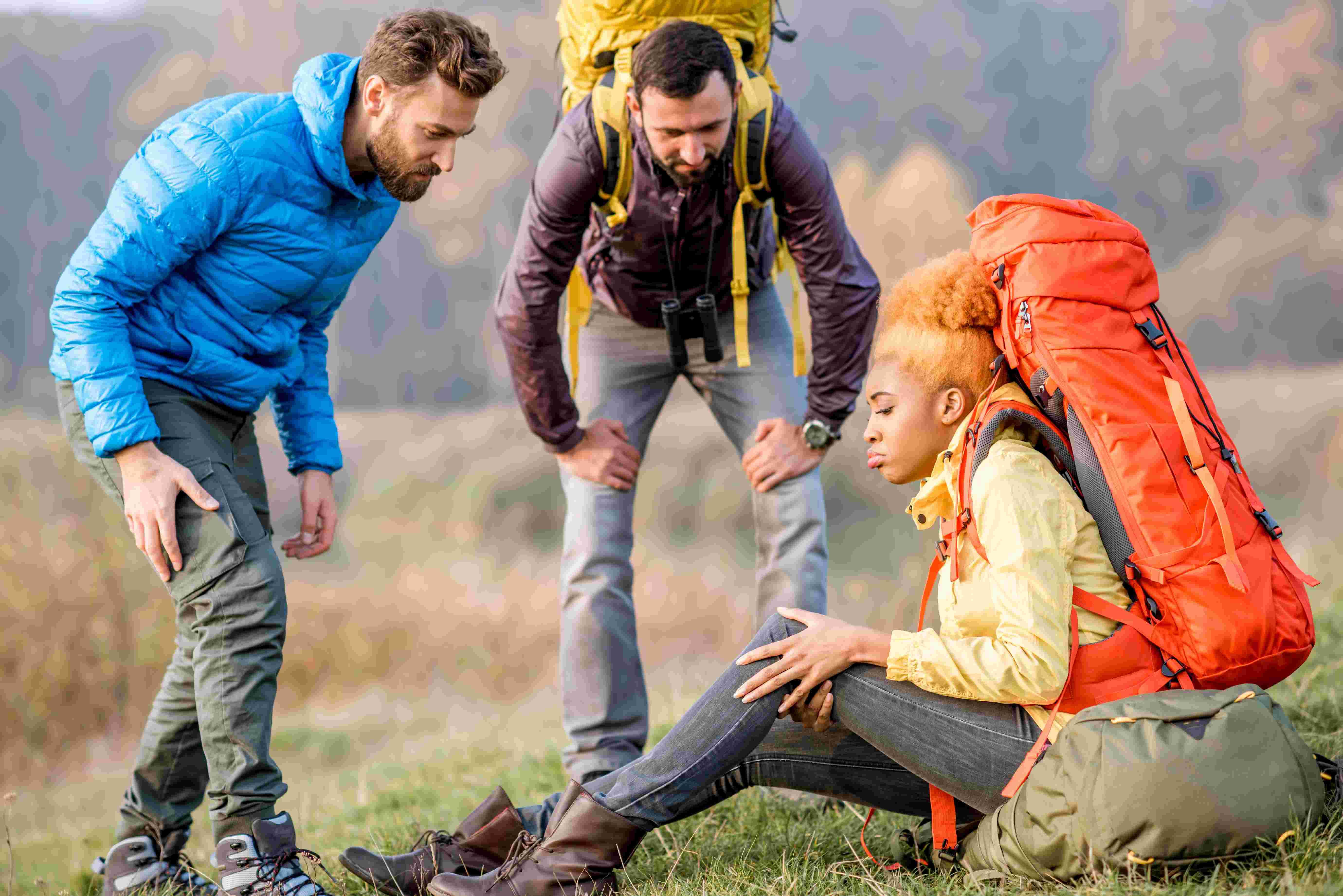 is feeling tired.
If you have a map and understand the route, then with friends, the journey becomes even safer. Plus, a shared dinner in nature is always tastier than a solo snack.
7. Share your plan in advance
Before you leave, tell your loved ones where you are going and when you will return. Tell them the main points of your route. This will give you confidence and peace of mind to those who stayed at home.
This step continues the theme of safety. Friends nearby help on the road, and information for the family becomes backup support.
8. Cleanliness on the trail
Nature gives beauty, and the task of the tourist is to preserve it. Everything you bring with you must be taken back. Always carry a trash bag in your backpack.
This approach applies to food and water. If you take care of your nutrition, it is logical to take care of the place where you are vacationing. Then the trail will remain just as beautiful for other travelers.
9. Follow the signs
Trails are always marked. This makes it easier to find your way and helps preserve plants and soil. By following the signs, you will reach your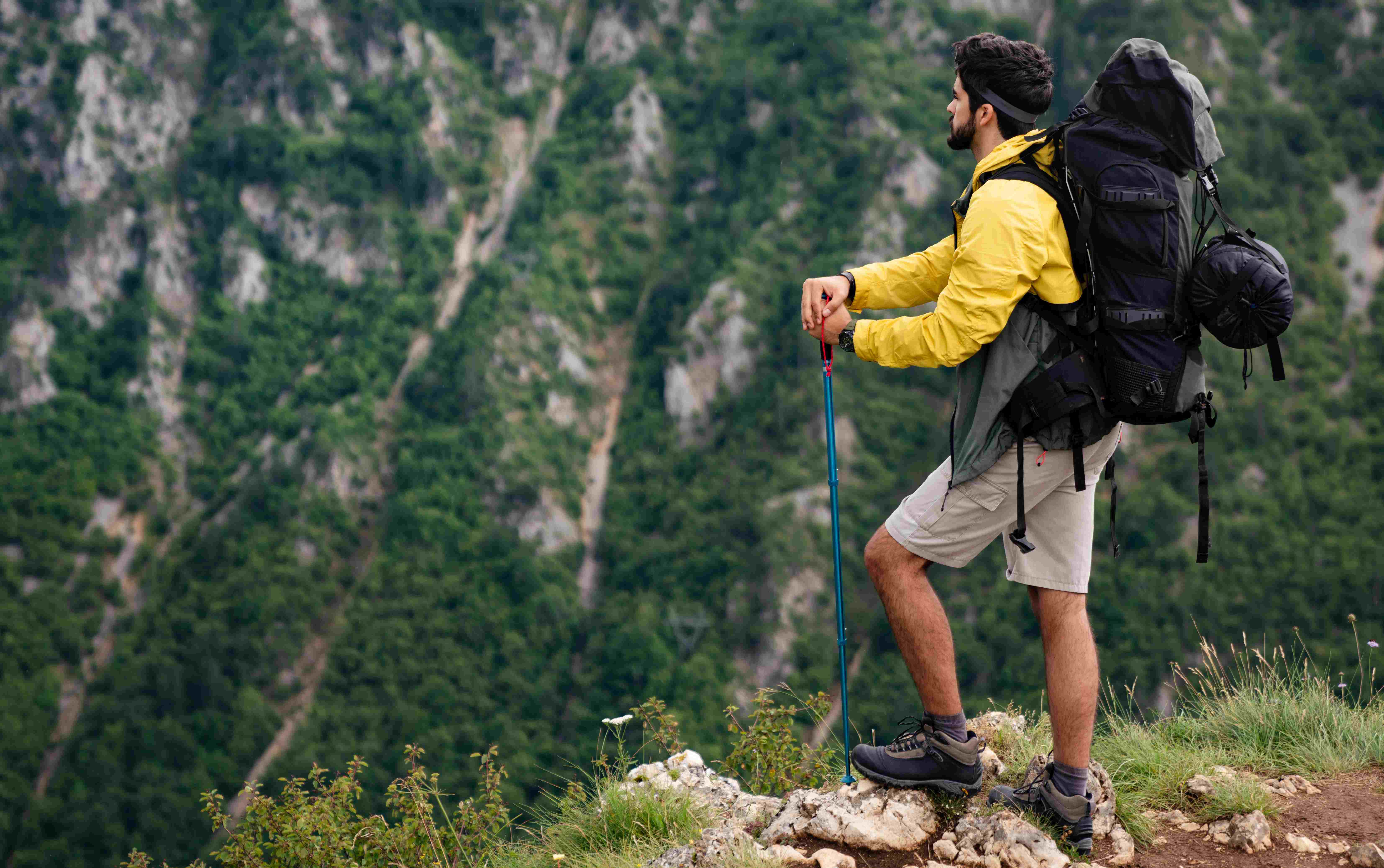 destination and preserve nature. This advice is directly related to the map. The map shows the big picture, and the signs confirm that you are on the right track.
10. Assess your strength
Before going on a hike, think about your physical fitness. Beginners are better off choosing short routes, while experienced travelers can take on more challenging trails. Knowledge helps you choose the right shoes, amount of food, map, and even company. Everything is built around this basic understanding.
Conclusion
Preparing for a hike involves many steps. First, you assess your strength, then study the map and plan your company. Next, you pack your backpack, put on comfortable clothes, and pack food. On the road, you keep things clean, follow the signs, and respect animals.
These elements are interconnected and form a system. When each step is done correctly, hiking brings joy, and nature responds with beauty and tranquility.
Comments are closed