
The Sydney Harbour Hike route spans almost thirty kilometers, connecting bridges, waterfronts, parks, and beaches. To walk comfortably, it is essential to consider what to wear in advance. Your clothing affects how easily you can walk and how you feel at the end of the day. This guide will help you choose the right gear for any season.
Basic clothing items
The first thing a tourist thinks about when going on the Sydney Harbour Hike is the basic layers of clothing. They are responsible for maintaining comfort and regulating temperature.
- T-shirt or thin sweater made of breathable fabric that wicks away moisture.
- Lightweight trekking pants that don’t restrict movement.
- Thin underwear made of quick-drying material.
These items help you feel dry and comfortable. When your body stays dry, fatigue sets in more slowly.
Shoes and socks
The Sydney Harbour hike covers a variety of surfaces. Your feet will encounter asphalt, sand, stairs, and forest trails. Therefore, your shoes should be comfortable and reliable. It is best to choose sneakers or boots with sturdy soles.
Over long distances, even the highest quality boots lose their effectiveness without good socks. Trekking socks protect against friction and keep your feet dry.
Accessories
After choosing your clothes and shoes, it’s worth thinking about accessories. They may seem secondary, but they can be instrumental on the trail. A hat or cap protects you from the sun, sunglasses reduce strain on your eyes, and a light scarf or buff helps in windy conditions. Thin gloves are proper on cool mornings. These details may seem minor, but they often determine your overall level of comfort.
Safety
The Sydney Harbour hike takes place within the city limits, but even here it is essential to have basic safety equipment.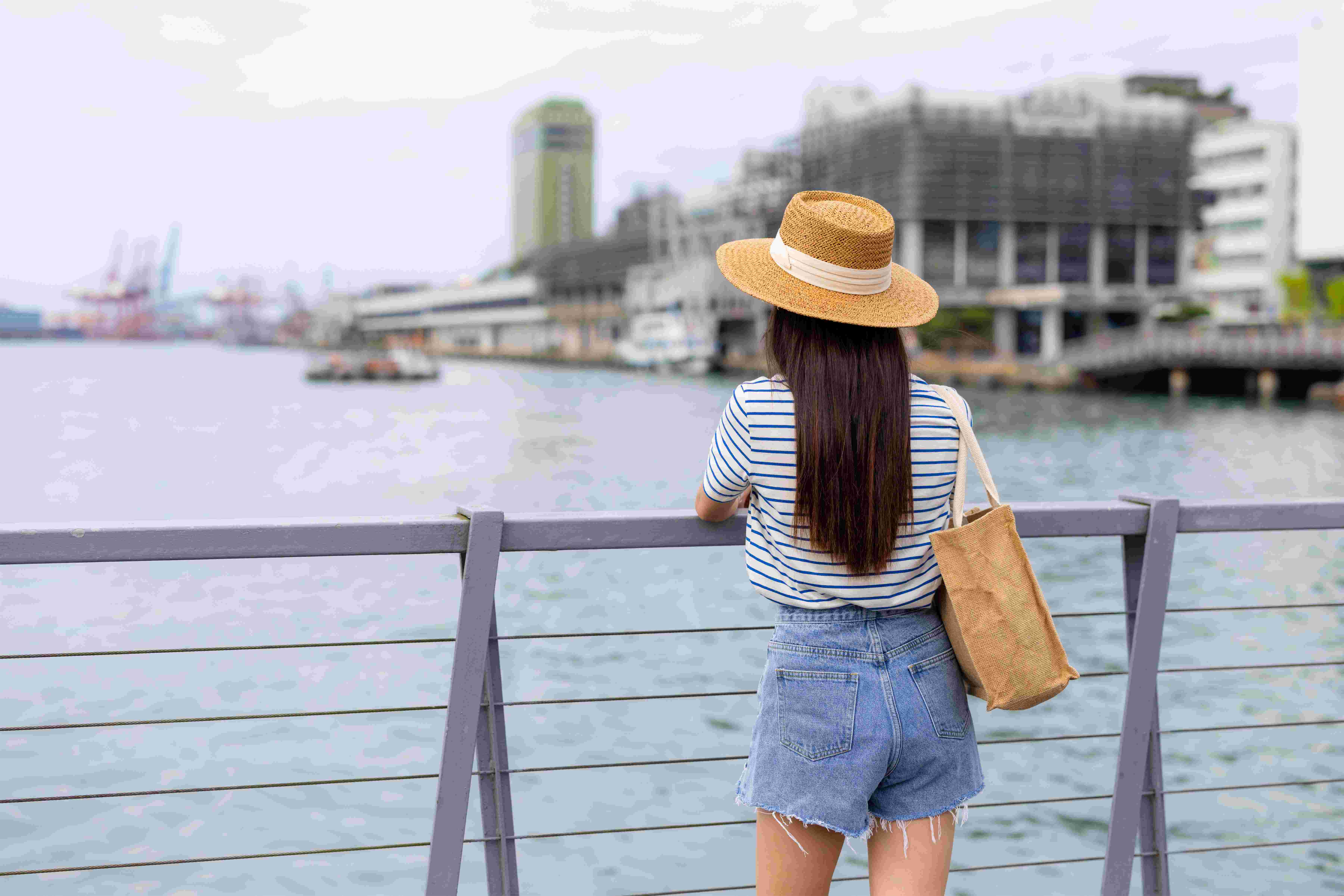
- A first aid kit with bandages and corn plasters.
- Sunscreen for the skin.
- Insect repellent, especially in the summer months.
- A flashlight in case of a late return.
- Store documents and phones in a waterproof bag.
This part is related to accessories. While a hat and sunglasses protect you from the sun, sunscreen and a first aid kit help you stay healthy in all conditions.
Snacks and Beverages
A long route requires energy. Water and light meals help you maintain your strength.
- At least one liter of water per person.
- Nuts, dried fruit, or energy bars.
- Light snack in a container if you plan to walk all day.
- Spare bottle for hot weather.
This part is related to safety. While a first aid kit and sunscreen help the body externally, food and water support it internally.
Weather Equipment
Hikers need to consider the weather conditions ahead of time. Below, we have gathered some tips for both warm and cold seasons.
Summer gear
During the warm season, the Sydney Harbour hike requires a special approach. The heat and sun quickly tire you out, so it is better to choose long but light fabrics that breathe and protect against UV rays. Long sleeves protect you from sunburn, and light pants help you stay cool. Sunglasses and a hat are a must. Shoes should be well-ventilated to keep your feet dry and comfortable.
Winter gear
In the cooler season, it is vital to stay warm. Merino wool thermal underwear retains heat best. Wear a fleece jacket or light down jacket on top, and a windbreaker or water-repellent jacket over that. Warm socks and moisture-resistant boots are suitable for your feet. Don’t forget a hat and gloves for the morning hours.
This combination will enable you to complete the route comfortably, even on cool days.
Backpack
All of the above items need to be packed correctly. For the Sydney Harbour hike, it is best to take a small backpack. It can hold water, snacks, a first aid kit, and spare items. The backpack should fit comfortably and not interfere with movement.
This part ties all the previous tips together. Clothes, shoes, accessories, and food only work together when they are organized in a convenient system.
Conclusion
Properly selected equipment turns the Sydney Harbour hike from a challenge into a pleasure. Basic clothing regulates temperature, shoes and socks support your feet, accessories and protective gear make the walk safer, and food and water give you the strength to continue. Depending on the season, choose light fabrics or warm layers. Careful preparation allows you to focus on the beauty of the route and the experience.
Comments are closed